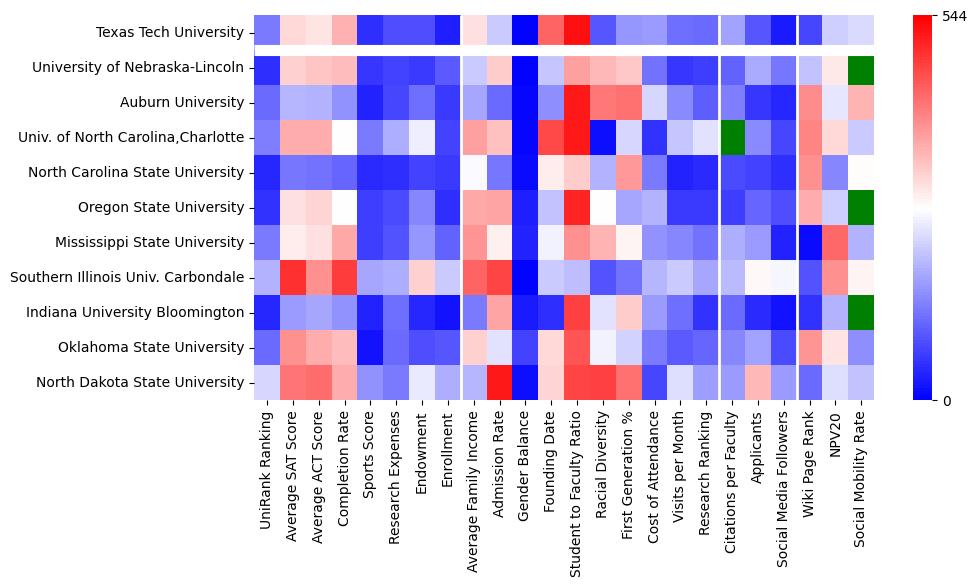
Texas Tech University, established in 1923, is a major public research university located in Lubbock, Texas. Over the years, it has grown into a key educational hub in the region, offering a wide range of undergraduate, graduate, and doctoral programs. With its Spanish Renaissance-themed architecture, the campus spans over 1,800 acres, making it one of the largest contiguous campuses in the United States. Texas Tech is part of the Texas Tech University System, which includes Texas Tech University Health Sciences Center and Angelo State University, collectively serving a diverse student body and contributing significantly to research and education in Texas.
What sets Texas Tech University apart is its commitment to fostering a tight-knit community while offering the resources of a large university. The school boasts a vibrant campus life, with over 550 student organizations and a strong athletic culture, particularly known for its spirited support of the Red Raiders sports teams. The university's location in Lubbock provides students with a unique blend of cultural, recreational, and academic opportunities, enriched by the region's friendly and welcoming atmosphere. Texas Tech is also recognized for its efforts in sustainability and its strides in becoming a more environmentally conscious campus.
Academically, Texas Tech offers a robust selection of programs across its 13 colleges and schools. The university is particularly renowned for its engineering, law, and business programs. The Edward E. Whitacre Jr. College of Engineering is highly regarded, offering cutting-edge research opportunities and a strong focus on innovation. The Rawls College of Business provides a comprehensive curriculum with strong ties to regional and national industries, ensuring that graduates are well-prepared for the workforce. Additionally, the Texas Tech University School of Law is known for its practical training and high bar passage rates, making it a competitive choice for aspiring lawyers.
Despite its many strengths, Texas Tech faces challenges typical of large universities. Class sizes in some introductory courses can be large, which may affect the level of individual attention students receive. Additionally, while the university has made strides in increasing diversity, it continues to work towards improving representation and inclusivity across the campus community. Nonetheless, Texas Tech's ongoing commitment to addressing these areas indicates a dedication to creating a more supportive and inclusive environment for all students.